
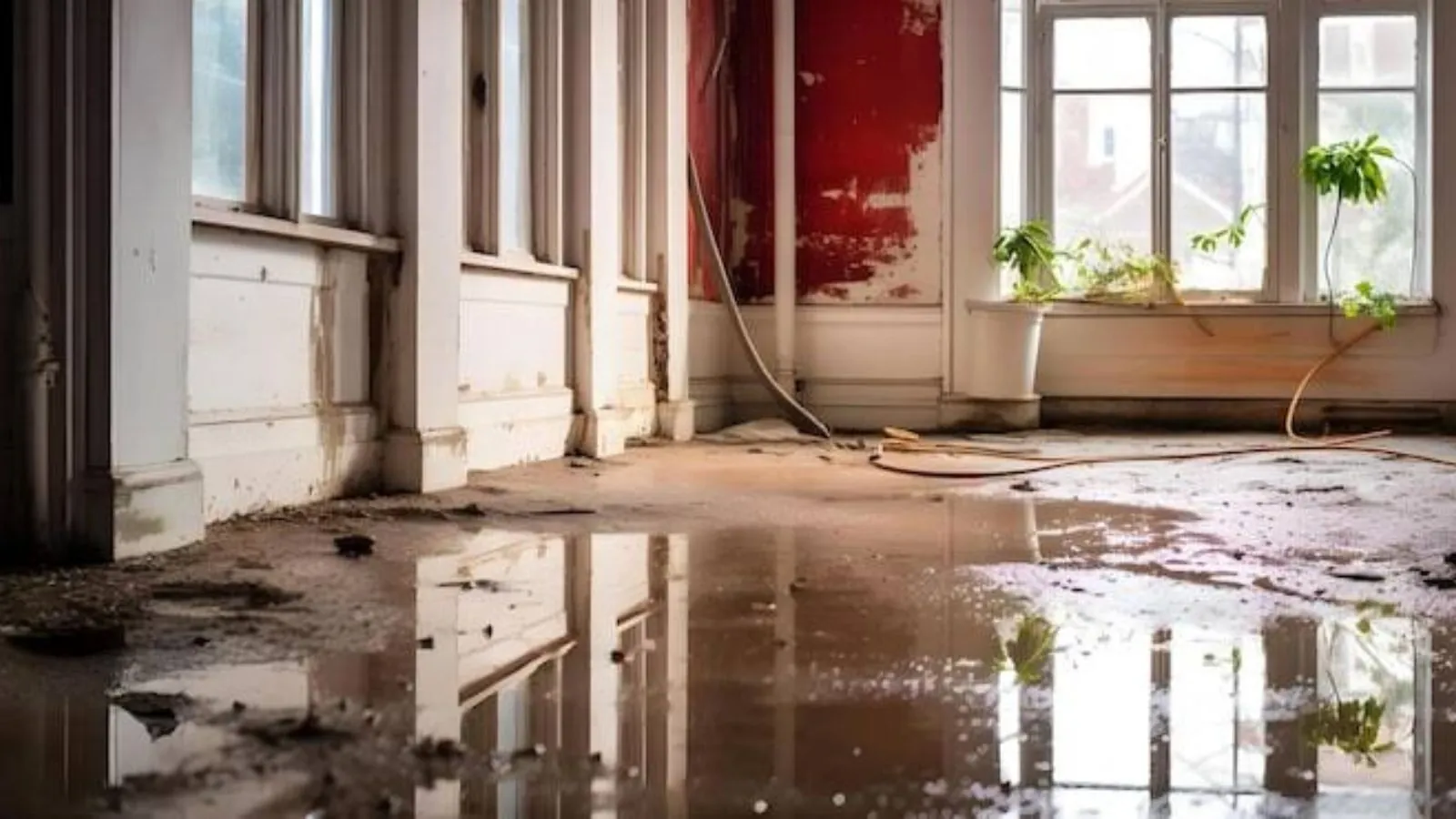
Water damage professionals sort water into three categories by how contaminated it is. The category decides what protective steps are needed, what can be saved and how the job is priced. For homeowners in Cornelius, NC, knowing the category is the quickest way to understand what a crew is about to do and why.
Where the categories come from
The categories are defined in ANSI/IICRC S500, the published industry standard for water damage restoration. They describe the water at its source and how it changes as it moves and sits.
You may hear the informal names: clean water, gray water and black water. The standard uses numbers.
| Category | Informal name | Typical sources |
|---|---|---|
| 1 | Clean water | Supply lines, faucets, water heater tanks, rain caught quickly |
| 2 | Gray water | Washing machine and dishwasher discharge, aquarium water, toilet overflow with urine only |
| 3 | Black water | Sewage, flood water from outside, water that has sat and stagnated |
Category 1: clean water
Category 1 comes from a sanitary source. A burst supply pipe, a leaking faucet connection and a failed water heater tank are the usual examples. The water itself is not a health hazard when it leaves the pipe.
Because it is clean, more can be saved. Carpet can often be dried in place. Drywall that is still firm can be dried through the cavity. Speed is the key, as the burst pipe water damage page explains.
Category 2: gray water
Category 2 contains enough contamination to cause discomfort or illness if someone swallowed it. Discharge from washing machines and dishwashers is the common household source. It carries detergent, food residue and bacteria.
Handling steps up. Carpet may be saved after cleaning, but pad is replaced. Surfaces are cleaned and treated. Crews use gloves and other protection. Appliance sources are covered on the appliance leak water damage page.
Category 3: black water
Category 3 is grossly contaminated. It may contain pathogens and other harmful agents. Sewage is the obvious example. Flood water from rivers, creeks, lakes and streets is in the same class, because it carries whatever it ran across.
Porous materials that absorbed Category 3 water are removed. That includes carpet, pad, drywall, insulation and upholstered furniture. Hard surfaces are cleaned and disinfected, and the area is contained while work is under way.
Category 3 situations in Cornelius
Two local situations fall into Category 3. The first is a sewer backup. Charlotte Water, the sewer utility for Cornelius, advises turning off washers and dishwashers if wastewater backs up. If the backup stops, call a plumber. If it continues, call 311 or 704-336-7600, answered 24 hours a day.
The second is flooding. Cornelius borders Lake Norman, and its east side drains toward the Rocky River. Water that rises from a creek, a cove or a street and enters a home is Category 3 under the standard, whatever it looks like. Mecklenburg County's 3D Interactive Floodzone Map shows mapped floodplains for an address.
The North Carolina Department of Insurance notes that homeowners policies do not cover flood or rising water, so a Category 3 flood loss is usually a flood policy matter.
Categories get worse with time
This is the part most people do not know. Water does not stay in its category. Clean water that sits for days, or that runs through dirty materials, becomes Category 2 and then Category 3.
A supply line leak that soaked through a ceiling full of old insulation is no longer clean when it reaches the floor. Clean water left in a closed house for a week in summer is not clean either. Fast action keeps a loss in the simpler category.
Category is not the same as class
You may also hear a "class" number. Class describes how much water there is and how hard the materials are to dry. It runs from 1 to 4.
| Term | What it measures | Scale |
|---|---|---|
| Category | Contamination | 1 to 3 |
| Class | Amount of water and difficulty of drying | 1 to 4 |
A job has both. A burst pipe that soaked a whole floor is Category 1 with a high class. A small toilet overflow with sewage is Category 3 with a low class. The first needs lots of drying. The second needs careful removal.
What each category means for you
For Category 1, it is generally safe to mop and move things while you wait, with the power question answered first. For Category 2, wear gloves, keep children and pets away and wash up afterward.
For Category 3, stay out. Do not use a household vacuum or fans, which can spread contamination. Close the door and call. The sewage backup cleanup and flood damage cleanup pages explain the safety steps.
How category affects cost and insurance
Higher categories cost more to handle. There is more removal, more cleaning, more protective equipment and more disposal. A Category 3 job also has more rebuilding afterward.
Insurance follows cause more than category, but the two overlap. Sewer backup often needs an endorsement, and flood needs a separate policy. Check your policy or ask your insurer.
When you call
Tell the dispatcher where the water came from. That one detail lets them estimate the category and send the right crew. Calls come from all over Cornelius, including older streets like Smithville, and from Davidson.
Questions people ask
Is water from Lake Norman or a creek in Cornelius Category 3?
Yes, once it floods into a building. Surface and rising water is treated as Category 3 under the S500 standard because of what it picks up along the way.
Is toilet overflow always Category 3?
No. Overflow from the bowl with clean water or urine only is often treated as Category 2. If it contains feces or came back up the drain, it is Category 3.
Can Category 1 water become dangerous?
Yes. Clean water degrades as it sits or passes through contaminated materials, moving to Category 2 or 3.
Can carpet be saved after Category 2 water?
Sometimes, after proper cleaning. The pad is replaced.